
Relaxation Yoga Techniques: A Simple Guide to Calm, Balance, and Stress Relief
Relaxation yoga techniques help calm the nervous system, reduce stress, and restore balance to the body. Through gentle stretches, mindful breathing, and slow movement, yoga can become a powerful tool for managing daily tension and anxiety. In this guide, you’ll learn simple relaxation yoga techniques you can practice at home to create more calm in your life.
Finding moments of peace in your busy life can feel like a challenge. Yet, through gentle and mindful practice, you can invite relaxation and calm into your daily routine. Yoga offers you a beautiful way to do this. It’s not about perfection or pushing yourself too hard. Instead, it’s about connecting with your body and breath, easing tension, and nurturing your mind. In this post, you’ll discover practical relaxation yoga techniques and tips that you can easily incorporate into your life.
Relaxation Yoga Techniques for Everyday Calm
Relaxation yoga techniques focus on slowing down, tuning in, and releasing stress. Many people practice yoga for relaxation and stress relief because it helps calm both the body and mind. Here are some key techniques to help you get started:
Breath Awareness: Begin by simply noticing your breath. Breathe deeply and slowly through your nose, feeling your belly rise and fall. This activates your parasympathetic nervous system, which helps your body relax.
Gentle Stretching: Use slow, mindful movements to stretch your muscles. Poses like Child’s Pose, Cat-Cow, and Legs-Up-The-Wall are excellent for releasing physical tension.
Guided Relaxation: After your practice, spend a few minutes lying down in Savasana (Corpse Pose). Focus on each part of your body, consciously relaxing muscles from head to toe.
Mindful Movement: Flow through poses with attention to how your body feels. Avoid rushing or forcing any position.
By practicing these techniques regularly, you create a sanctuary of calm within yourself. You’ll notice your mind quieting and your body feeling lighter.

How to Create a Relaxing Yoga Space at Home
Your environment plays a big role in how easily you can relax during yoga. Creating a dedicated space for your practice helps signal to your mind that it’s time to unwind. Here are some tips to set up your own calming yoga corner:
Choose a Quiet Spot: Find a place where you won’t be disturbed. It could be a corner of your living room, bedroom, or even a balcony.
Add Soft Lighting: Use natural light when possible. If not, opt for soft lamps or candles to create a warm glow.
Use Comfortable Props: Keep a yoga mat, cushions, blankets, and blocks nearby. These support your body and make poses more accessible.
Incorporate Nature: Bring in plants or flowers to add a touch of nature and fresh air.
Play Gentle Music or Silence: Choose calming instrumental music or simply enjoy the quiet.
This space becomes your personal retreat, inviting you to slow down and focus on your relaxation yoga techniques.
Best Yoga for Tension and Anxiety?
When tension and anxiety weigh on you, certain yoga styles and poses can be especially helpful. Here’s what you can try:
Restorative Yoga: This style uses props to support your body fully in poses, allowing deep relaxation without effort. It’s perfect for calming the nervous system.
Hatha Yoga: A gentle approach focusing on basic postures and breath control. It helps balance your energy and reduce stress.
Pranayama (Breath Control): Techniques like Nadi Shodhana (alternate nostril breathing) and Ujjayi breath calm your mind and ease anxiety.
Specific Poses:
- Child’s Pose (Balasana): Relieves tension in the back and shoulders.
- Legs-Up-The-Wall (Viparita Karani): Encourages circulation and relaxation.
- Seated Forward Fold (Paschimottanasana): Soothes the nervous system and stretches the spine.
- Cat-Cow (Marjaryasana-Bitilasana): Releases tension in the spine and promotes mindful breathing.
Try combining these poses with slow, deep breathing. Even a short 10-15 minute session can help you feel more grounded and peaceful.

Tips for Making Relaxation Yoga a Consistent Habit
Consistency is key to experiencing the full benefits of relaxation yoga. Here are some practical tips to help you build a sustainable practice:
Set a Regular Time: Choose a time of day that works best for you, whether it’s morning, midday, or evening. Consistency helps your body and mind anticipate relaxation.
Start Small: Begin with just 5-10 minutes daily. Gradually increase as you feel comfortable.
Use Guided Resources: Follow videos or apps led by experienced instructors who emphasize gentle, mindful practice.
Listen to Your Body: Honor your limits and avoid pushing into discomfort. Yoga is about ease, not strain.
Journal Your Experience: After each session, jot down how you feel. This reflection can motivate you and deepen your awareness.
Join a Community: Whether online or in person, connecting with others who share your interest can provide support and inspiration.
By weaving these tips into your routine, you’ll find relaxation yoga becoming a natural and cherished part of your life.
Enhancing Your Practice with Mindfulness and Meditation
Relaxation yoga is deeply connected to mindfulness and meditation. These practices complement each other beautifully, helping you cultivate inner peace beyond the mat.
Mindful Awareness: During your yoga practice, focus fully on the sensations in your body and your breath. When your mind wanders, gently bring it back without judgment.
Body Scan Meditation: After your yoga session, lie down and mentally scan your body from head to toe. Notice areas of tension and consciously release them.
Loving-Kindness Meditation: Cultivate compassion for yourself by silently repeating phrases like “May I be calm, may I be at peace.”
Breath Meditation: Simply observe your breath, noticing its natural rhythm. This anchors you in the present moment.
Integrating these mindfulness techniques enhances the calming effects of your yoga practice. Over time, you’ll notice greater resilience to stress and a more balanced emotional state.
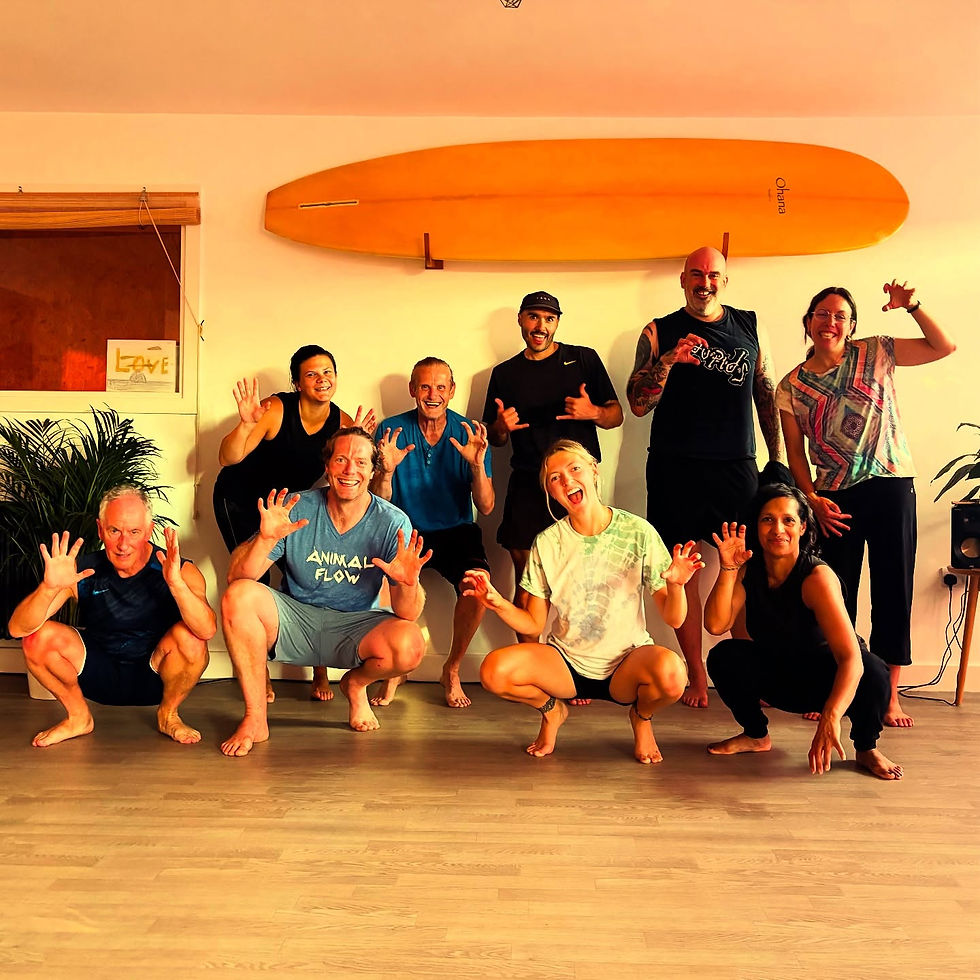
If you're looking for relaxation yoga classes in Monkseaton, Whitley Bay, Shore Yoga offers gentle and restorative sessions designed to calm the nervous system and reduce stress. Practicing in a supportive studio environment can help you deepen your relaxation practice and connect with local wellness community.
FAQ: Relaxation Yoga
How often should I practice relaxation yoga?
Practicing relaxation yoga 3–4 times per week can significantly reduce stress and improve sleep quality.
What is the best yoga pose for relaxation?
Legs-Up-The-Wall and Child’s Pose are among the most effective poses for calming the nervous system.
Can beginners practice relaxation yoga?
Yes. Relaxation yoga techniques are ideal for beginners because they focus on gentle movement and breathing rather than complex poses.
Relaxation yoga techniques offer a powerful way to reduce stress, calm the mind, and restore balance in your daily life. By practicing gentle poses, mindful breathing, and meditation, you can create a routine that supports both physical and emotional wellbeing. Whether you practice at home or join a guided class, relaxation yoga can help you reconnect with calm and cultivate lasting inner balance.
If you’d like guided support, consider joining a relaxation or restorative class at Shore Yoga to deepen your practice.


Comments